
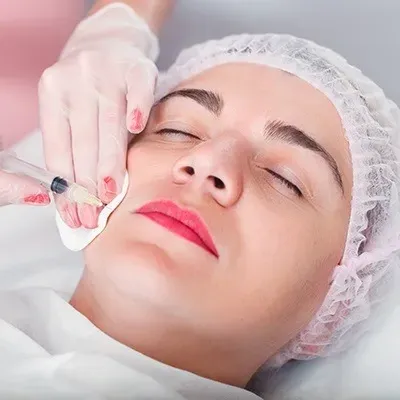
Uneven skin tone, dark spots, and dullness can affect the overall appearance of the complexion. Sun exposure, hormonal changes, acne marks, and skin irritation are common factors that may contribute to visible discolouration. With an appropriate skincare routine and professionally selected procedures, it may be possible to improve the appearance of these concerns. Permanent Skin Whitening Treatment in Dubai & Abu Dhabi focuses on managing selected pigmentation concerns and supporting a more balanced-looking complexion. Glamorous Clinic Dubai offers personalised aesthetic care based on individual skin needs and treatment suitability.
Understanding Uneven Skin Tone
Uneven skin tone occurs when certain areas appear darker or lighter than the surrounding skin. It may develop gradually or become noticeable after inflammation, hormonal changes, or repeated sun exposure.
Pigmentation is influenced by melanin, the natural pigment responsible for skin colour. When melanin production becomes uneven or concentrated in particular areas, dark patches and spots may appear.
Common concerns include:
- Dark spots: Small areas of increased pigmentation that may develop after sun exposure.
- Melasma: Brown or greyish patches that can be influenced by hormonal changes and sunlight.
- Post-acne marks: Dark areas that remain after inflammatory acne has healed.
- Sun-related pigmentation: Discolouration associated with cumulative ultraviolet exposure.
- General dullness: A less radiant appearance that may be associated with dryness, surface buildup, or environmental factors.
Identifying the type of pigmentation is important because different concerns may require different approaches.
Common Causes of Skin Discolouration
Several factors can contribute to uneven complexion.
Sun Exposure
Ultraviolet radiation can stimulate melanin production and make existing pigmentation more visible. Regular exposure without adequate protection may also contribute to the development of new dark spots.
Hormonal Changes
Hormonal fluctuations can influence pigmentation, particularly in people who develop melasma. Sun exposure may make these patches more noticeable.
Acne and Skin Inflammation
Inflammatory skin conditions can leave darker marks after the original irritation has settled. Picking blemishes or using harsh products may increase the risk of persistent marks.
Unsuitable Skincare Products
Strong exfoliants, irritating ingredients, and excessive product use can affect the skin barrier. In some cases, irritation may contribute to further discolouration.
Professional Treatments for Uneven Skin Tone
The most appropriate treatment depends on the cause, depth, and appearance of pigmentation, as well as skin type and sensitivity.
Chemical Peels
Chemical peels use selected exfoliating ingredients to remove dead skin cells from the surface. Depending on the formulation and treatment depth, they may help improve dullness, uneven texture, and some superficial pigmentation concerns.
A suitable peel should be selected after assessing the skin. Following aftercare instructions and protecting the treated area from sunlight are important for reducing irritation.
Laser-Based Pigmentation Treatments
Certain laser technologies may be used to target specific forms of unwanted pigmentation. Their suitability depends on the pigment's depth, skin tone, and the underlying condition.
Professional assessment is essential because unsuitable settings or procedures may cause irritation or worsen pigmentation, particularly in pigmentation-prone skin. Treatment outcomes vary, and multiple sessions may be necessary.
Professional Brightening Skincare
A personalised skincare routine can complement professional procedures. Depending on individual suitability, ingredients such as vitamin C and niacinamide may help improve the appearance of uneven tone.
Active ingredients should be introduced gradually, especially for sensitive skin. Combining several strong products without guidance may cause irritation and make pigmentation more noticeable.
Skin Rejuvenation Treatments
Selected rejuvenation procedures may help improve hydration, texture, and overall radiance. They can complement pigmentation-focused care when recommended following an assessment.
Not every rejuvenation treatment directly addresses pigmentation, so it is important to understand the purpose and expected benefits of each procedure.
Benefits of Personalised Skin Care
A treatment plan based on individual skin needs can help address specific concerns more appropriately. Depending on the selected approach, potential benefits may include:
- Improving the appearance of selected dark spots.
- Supporting a more balanced-looking complexion.
- Reducing visible dullness.
- Improving the appearance of uneven texture.
- Establishing a suitable home skincare routine.
- Supporting skin comfort through appropriate aftercare.
Results depend on the pigmentation type, treatment choice, and individual skin response. No procedure can guarantee identical outcomes for everyone.
The Importance of Daily Sun Protection
Sun protection is essential when managing uneven skin tone. Ultraviolet exposure can stimulate melanin production and contribute to recurring pigmentation, even after professional treatment.
Consider these daily habits:
- Apply broad-spectrum sunscreen with SPF 30 or higher every morning.
- Reapply sunscreen when spending extended periods outdoors.
- Wear protective clothing and a hat in strong sunlight.
- Seek shade during periods of intense sun exposure.
- Avoid tanning and unnecessary direct sunlight.
- Follow the aftercare instructions recommended by your practitioner.
Consistent sun protection helps reduce further sun-related discolouration and supports long-term skin care.
What to Expect During Your Consultation
A professional consultation helps determine which treatment options may be appropriate. Your practitioner may review your skin type, pigmentation pattern, sensitivity, skincare routine, and previous cosmetic procedures.
You should discuss any history of irritation, recent tanning, or products that have caused unwanted reactions. The treatment plan should explain the procedure, potential side effects, expected recovery, and maintenance requirements.
A new, changing, bleeding, or unusual dark spot should be medically assessed rather than automatically treated as cosmetic pigmentation.
Maintaining a More Even-Looking Complexion
Professional treatment is only one part of managing uneven skin tone. A consistent routine can help support improvements and reduce avoidable irritation.
- Cleanse gently using products suitable for your skin.
- Apply a moisturiser to support the skin barrier.
- Use sunscreen consistently.
- Introduce recommended brightening ingredients gradually.
- Avoid harsh scrubs and excessive exfoliation.
- Attend follow-up appointments when recommended.
For individuals considering Permanent Skin Whitening Treatment in Dubai & Abu Dhabi, realistic expectations are important. Professional brightening care aims to improve the appearance of selected pigmentation concerns rather than permanently change natural skin colour.
Why Choose Glamorous Clinic Dubai?
Glamorous Clinic Dubai offers a personalised approach to aesthetic skincare, with recommendations based on individual concerns and treatment suitability. Whether you are concerned about sun-related spots, post-acne marks, or general dullness, a consultation can help you explore appropriate options.
Understanding the benefits, limitations, and aftercare requirements of each procedure can help you make an informed decision about your skincare journey.
Frequently Asked Questions
What causes uneven skin tone?
Common causes include sun exposure, hormonal changes, acne-related inflammation, ageing, and skin irritation. The underlying cause influences which treatment may be appropriate.
Can professional treatments remove all pigmentation?
Some treatments may improve selected forms of pigmentation, but results vary. Certain conditions may require ongoing management, and pigmentation can return.
How long does it take to see improvements?
The timeline depends on the treatment and the type of pigmentation. Some concerns improve gradually and may require multiple sessions.
Is sunscreen necessary after treatment?
Yes. Daily broad-spectrum sunscreen is important because ultraviolet exposure can contribute to recurring pigmentation and affect treatment results.
Can sensitive skin receive pigmentation treatments?
Some options may be suitable, but treatment selection requires careful assessment. Your practitioner should consider skin sensitivity, previous reactions, and the risk of irritation.
Begin Your Personalised Skin Care Journey
A more balanced-looking complexion starts with understanding your skin and choosing appropriate professional care. Glamorous Clinic Dubai can help you explore treatment options for dullness, uneven tone, and selected pigmentation concerns. Arrange a consultation to discuss whether Permanent Skin Whitening Treatment in Dubai & Abu Dhabi is suitable for your individual skincare goals.